

Managing a workforce can be challenging, especially when you create schedules with pen and paper or spreadsheets. Thankfully, technology offers solutions to make employee scheduling easier and more efficient for everyone involved. Enter the digital schedule.
Digital employee scheduling systems provide tools that help businesses create, manage, and adjust employee schedules seamlessly. Let’s explore the key benefits of adopting a digital schedule for your workforce.
1. Boosts Efficiency and Saves Time

Creating schedules manually can take hours, especially for businesses with large teams or complex staffing needs. A digital schedule simplifies this process by automating much of the work.
- Faster Schedule Creation: Digital tools can automatically generate schedules based on employee availability, skills, and workload requirements. This reduces human error and saves significant time for managers. Celayix has been able to reduce employee scheduling time and effort by up to 95% for our customers!
- Real-Time Adjustments: Need to make last-minute changes? A digital schedule allows managers to update shifts instantly, and employees receive notifications in real time. This eliminates confusion and ensures everyone stays informed.
By reducing time spent on scheduling, managers can focus on other important tasks. Efforts can be better spent improving team performance, growing the business and addressing customer needs.
2. Reduces Costs and Prevents Overstaffing
One of the biggest advantages of a digital schedule is its ability to help businesses manage labor costs effectively. Overstaffing or understaffing can lead to wasted resources and unhappy customers, but digital tools can prevent this.
- Optimized Staffing Levels: Digital schedules analyze data to predict staffing needs for shifts. This ensures that you have the right number of employees in the right place, at the right time. This can save money by preventing unnecessary labor costs.
- Minimizes Overtime: Many businesses face unexpected overtime expenses due to poor scheduling. Digital tools track employee hours and alert managers before overtime occurs, allowing for better planning. Here at Celayix, we’ve helped managers eliminate overtime completely, saving them thousands of dollars.
These cost-saving features make digital scheduling a smart investment for businesses of all sizes.
3. Improves Employee Satisfaction

Happy employees are more productive, and a digital schedule can contribute to a better work environment in several ways.
- More Flexibility: Employees can inout their availability, swap shifts with coworkers, or request time off through a digital platform. This gives them more control over their schedules and supports a healthy work-life balance. Celayix also enables employers to offer self-scheduling and shift bidding options to further improve schedule flexibility!
- Clear Communication: Employees can access their schedules anytime, reducing misunderstandings about shift times or responsibilities. Clear and transparent scheduling builds trust between employees and management. With Celayix you can even set up shift reminders and confirmations for added peace of mind. Employees can also integrate their schedule onto their Google Calendar (or other calendar apps) to improve visibility.
Satisfied employees are more likely to stay with your company, reducing turnover. This helps reduce the costs of hiring and training new staff.
4. Enhances Compliance with Labor Laws
Staying compliant with labor laws is critical for any business. Celayix creates digital scheduling tools to help you meet legal requirements and avoid penalties.
- Regulation-Friendly Scheduling: Digital tools can be programmed to follow labor laws. This can include maximum working hours, required breaks, and overtime restrictions. This ensures you remain compliant with regulations.
- Accurate Record-Keeping: These platforms maintain detailed records of employee schedules, time-off requests, and hours worked. This data is invaluable for audits or resolving disputes.
Using a digital schedule gives you peace of mind, knowing that your business is operating within the law.
5. Promotes Better Communication and Teamwork
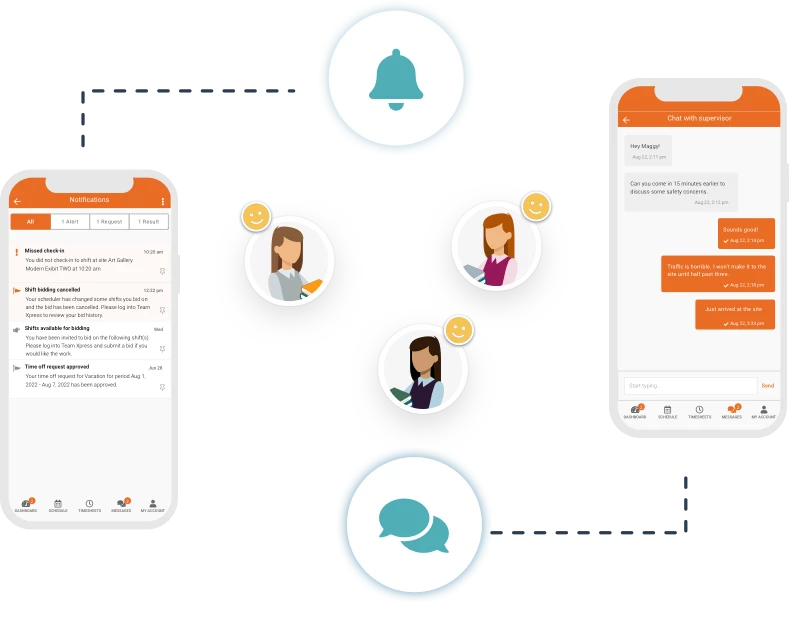
A digital schedule acts as a central hub for communication for your workforce. Employees can stay connected and work together effectively.
- Centralized Information: All scheduling information is stored in one place, accessible to both managers and employees. This reduces the need for back-and-forth emails or phone calls.
- Improved Coordination: Team members can see who they’re working with, making it easier to collaborate and plan tasks. Managers can also send updates or reminders through the platform.
When everyone is on the same page, operations run more smoothly, and workplace relationships improve.
6. Increases Adaptability in a Changing Work Environment
The workplace is constantly evolving, and businesses need tools that can keep up with these changes. A digital schedule offers flexibility and scalability to meet new challenges.
- Supports Remote and Hybrid Work: Digital schedules make it easy to manage teams spread across different locations. Employees can access their schedules from anywhere using a computer or smartphone.
- Adapts to Business Needs: Whether you’re scaling up during a busy season or adjusting to new regulations, a digital schedule can quickly accommodate changes without disrupting operations.
This adaptability ensures your business remains resilient and competitive.
7. Provides Valuable Data Insights

Digital scheduling platforms don’t just manage shifts—they also collect data that can help you make better decisions.
- Track Attendance Trends: See which employees are consistently punctual and identify patterns in absenteeism. This helps you address issues proactively.
- Forecast Staffing Needs: Use historical data to predict future staffing requirements. This ensures that you’re always prepared for busy periods or slow seasons.
By leveraging these insights, you can optimize your workforce and improve overall efficiency.
Switching to a digital schedule offers numerous benefits for your workforce and your business. From saving time and reducing costs to improving employee satisfaction and compliance, this technology streamlines one of the most important aspects of workforce management. As workplaces continue to evolve, adopting a digital scheduling solution is not just a smart choice—it’s an essential one.
It’s time to simplify scheduling and focus on what matters most: growing your business and supporting your team. If you’re ready to experience the advantages of a digital schedule, explore Celayix with a custom live demo.