
Workforce operations generate enormous amounts of real-time data, but most organizations still struggle to connect that information and leverage AI to improve operational oversight, flexibility, and efficiency.
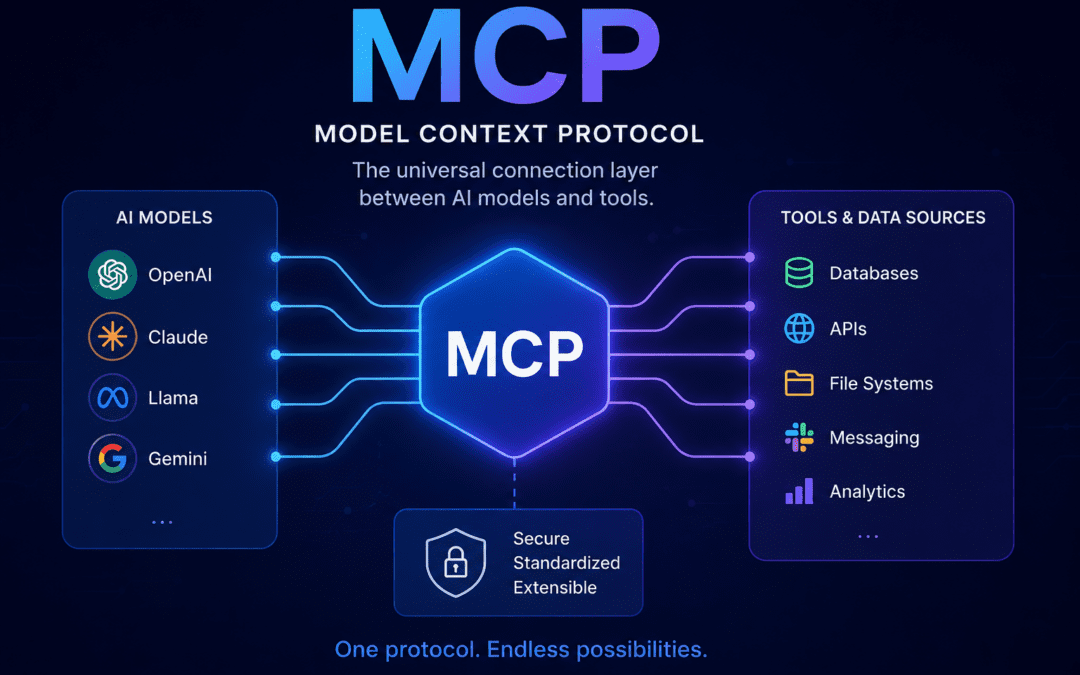
Enter Model Context Protocol (MCP), an open standard that lets AI models securely connect to external tools, data sources, and applications through a consistent interface. It acts as a universal adapter between AI assistants and external systems, from development environments to business software, enabling models to access real-time data and context, retrieve information, and take action.
Celayix recently launched AI Connect, an MCP server that embeds AI into your workforce management workflows to ensure coverage, control labor costs, and run operations by conversation. The ability to connect your AI tools is advancing capabilities in scheduling, tracking, communication, and the creation of unified solutions for Human Capital Management (HCM) needs.
We talked to Oleksandr Korniienko, Director of Engineering & Technology at Celayix, about AI Assistant and MCP and what they mean for businesses.
Celayix:
Oleksandr, from your perspective, why is the introduction of Celayix AI Connect such an important development right now?
Oleksandr:
Organizations are already investing heavily in AI tools, automation, and agent-based workflows across departments. However, workforce operations data, such as scheduling, time tracking, and employee management, has often remained disconnected from these AI ecosystems.
Celayix AI Connect bridges that gap by providing organizations with a secure, structured way for AI assistants and automation tools to interact with real-time workforce data in Celayix. This opens the door to smarter workflows, faster decision-making, and greater operational efficiency.
Celayix:
One of the key technologies behind AI Connect is the Model Context Protocol, or MCP. Can you explain what that means in practical terms?
Oleksandr:
Absolutely. MCP is an open protocol that enables AI systems to securely communicate with business platforms such as Celayix. Think of it as a standardized connection layer between AI assistants and operational systems.
With AI Connect, organizations can use tools such as OpenAI Codex and other AI assistants to securely access scheduling, time tracking, and workforce management data in real time. AI Connect enables more powerful automation of internal processes and helps connect workforce data to other applications through existing integrations.
Enterprises can now include scheduling and workforce operations data in the workflows they build with AI skills, assistants, and agents. Instead of building one-off integrations for every AI workflow, MCP creates a more scalable and future-ready foundation.
“Instead of building one-off integrations for every AI workflow, MCP creates a more scalable and future-ready foundation.”
Celayix:
Security is always top of mind when AI gains access to operational systems. How does AI Connect address governance concerns?
Oleksandr:
That’s one of the most important parts of the platform. AI Connect automatically inherits the existing Celayix roles, permissions, and audit controls.
So, if a user or assistant only has access to certain workforce data today, that same governance structure applies when AI tools interact with the system. Organizations don’t have to reinvent their security model just because they’re introducing AI workflows. Governance remains aligned with operational policies from day one.
Celayix:
What kinds of use cases do you expect organizations to adopt first?
Oleksandr:
Initially, we expect organizations to use AI Connect to support operational automation and internal agent workflows. For example:
- AI assistants helping supervisors identify open shifts, staffing shortages, or overtime risks in real time.
- Automated workforce reporting and exception monitoring
- Cross-platform integrations between workforce operations and broader business systems
What’s exciting is that this is only the beginning. As MCP capabilities continue to evolve, organizations will be able to build increasingly sophisticated AI-driven operational workflows—especially as AI assistants gain agent-like skills and enable internal agents to execute scheduled workflows autonomously.
“What’s exciting is that this is just the beginning. As MCP capabilities continue to expand, organizations will be able to build increasingly sophisticated AI-driven operational workflows.”
Celayix:
You mentioned digital transformation earlier. How does AI Connect fit into that broader journey?
Oleksandr:
Digital transformation today is no longer just about moving processes online; it’s about making systems intelligent and connected. Workforce operations are a critical part of that transformation because staffing decisions affect productivity, service delivery, and operational costs.
AI Connect helps organizations bring workforce management into the larger AI ecosystems they’re already building. Instead of operating in isolation, workforce systems become active participants in company-wide automation and decision-making processes.
Celayix:
What excites you most about where this technology is headed?
Oleksandr:
The biggest opportunity is enabling organizations to move from reactive workforce management to more intelligent, proactive operations.
As AI assistants become more capable, the ability to securely connect them with live workforce data will fundamentally change how teams schedule employees, respond to operational issues, and optimize labor resources. AI Connect is an important foundational step toward that future.
Celayix:
For organizations interested in exploring AI Connect, what would you recommend?
Oleksandr:
Start experimenting early. Organizations don’t need to wait for every future capability to be released before seeing value. Even today, teams can begin integrating Celayix with automations, skills, and agent workflows already used throughout the business.
The best way to understand the possibilities is to see it in action and identify where AI can remove friction from workforce operations.
Celayix:
Thank you, Oleksandr! We look forward to talking with you again as this technology continues to advance rapidly.
Organizations interested in exploring AI-powered workforce automation can book a demo or connect with their Customer Success representative to learn how AI Connect fits into their operational strategy.