
Understanding how to manage your workforce during periods of fluctuating demand is crucial for business survival and success. In today’s fast-paced business environment, demand can change rapidly, often requiring significant adjustments in workforce scheduling and management. Depending on your business, you might be dealing with demand fluctuating at different times of day, or different times of the year. This post provides practical tips and advice to help businesses navigate this challenging landscape, while getting the most from your workforce.

Understanding Fluctuating Demand
Before we delve into strategies for managing workforce during changing demand, it’s vital to understand what we mean by ‘fluctuating demand’. This term refers to any situation where the need for a business’s products or services varies greatly over time. These fluctuations could be predictable, like seasonal demand, or unpredictable, like sudden changes due to market shifts or global events. For most businesses, fluctuations in demand means fluctuations in income which is why it’s important to get your workforce management in line.
Recognizing the Challenges
Fluctuating demand presents several challenges. These include overstaffing or understaffing, difficulty in planning, increased labor costs, and potential drops in customer service quality. Effectively managing these challenges often calls for flexible, efficient, and responsive solutions. With that, let’s break down some strategies for managing your workforce during fluctuating demand.
Implementing Flexible Work Arrangements
To manage workforce during varying demand, flexibility is key. With flexible work arrangements, businesses can adjust the number of employees or working hours as needed.
Job Sharing

Job sharing is an arrangement where two or more employees share the responsibilities and hours of a full-time job. It offers a way to reduce staffing during slower periods without laying off employees. According to the Society of Human Resource Management, at least 22% of U.S. companies now offer some type of job sharing. Job sharing is not only beneficial when it comes to fluctuating demand, but also for lowering absenteeism and improved retention of employees looking or part time roles.
Part-time and Temporary Workers
Part-time and temporary workers can be crucial during peak demand periods. They offer an effective way to scale up quickly without the financial commitment of hiring full-time employees. The most common example of this is seasonal workers at busier periods such as summer or Christmas. Having a bank of part-time and temporary employees on your books is definitely worthwhile when it comes to fluctuating demand.
Leveraging Employee Scheduling Software
In an environment where demand is fluctuating, technology can be a game-changer. This is where employee scheduling software comes into play and can offer huge benefits.
The Need for Digital Tools
Manual workforce management methods can be inefficient and error-prone, especially during periods of fluctuating demand. Modern employee scheduling software like Celayix provides an efficient, scalable, and accurate solution.
Key Features and Benefits
Celayix employee scheduling software automates the process of creating, distributing, and managing schedules. This allows for a quicker response to changes in demand, while reducing administrative burden and minimizing scheduling errors.
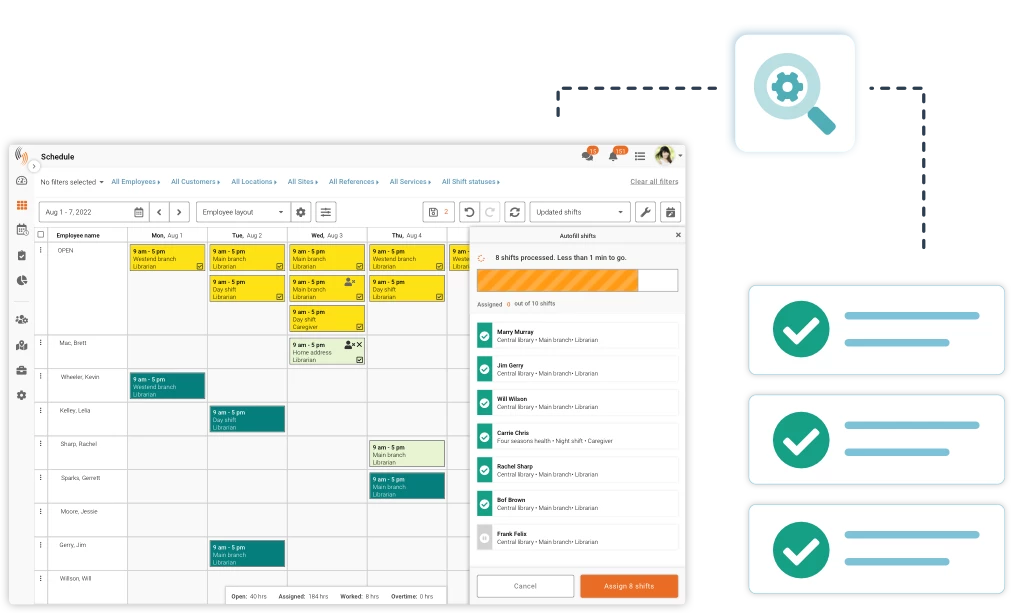
- Automation: This feature streamlines schedule creation based on predefined rules, helping to optimize staff utilization and reduce overstaffing or understaffing.
- Real-time Updates: With real-time updates, managers can make instant changes to the schedule, and employees can access their updated schedule from any device, improving communication and transparency.
- Reporting: Employee scheduling software provides valuable insights through reporting and analytics, enabling managers to forecast future staffing needs based on past trends and make data-driven decisions.
- Rostered Employees: with Celayix, you can have employees on the system that you only pay for when they are actively scheduled. Other systems might charge you for every single employee on your payroll which can make fluctuating demand much more difficult.
Building a Cross-trained Workforce
Another strategy for managing fluctuating demand is cross-training your employees. Cross-training enables employees to perform different tasks within the business, increasing flexibility and adaptability. When your workforce is cross trained, you can have less staff scheduled for a shift and still cover off the same amount of tasks if managed correctly.
Benefits of Cross-training
- Versatility: Cross-trained employees can shift roles as needed, helping your business respond to changes in demand quickly and effectively.
- Employee Satisfaction: Cross-training can lead to increased job satisfaction, as employees appreciate the variety in their work and the opportunity to learn new skills.
Communicating Effectively
Effective communication is fundamental in managing a workforce during changing demand. It’s important to keep employees informed about shifts in demand, potential schedule changes, and the reasons behind these changes.
Open Communication Channels
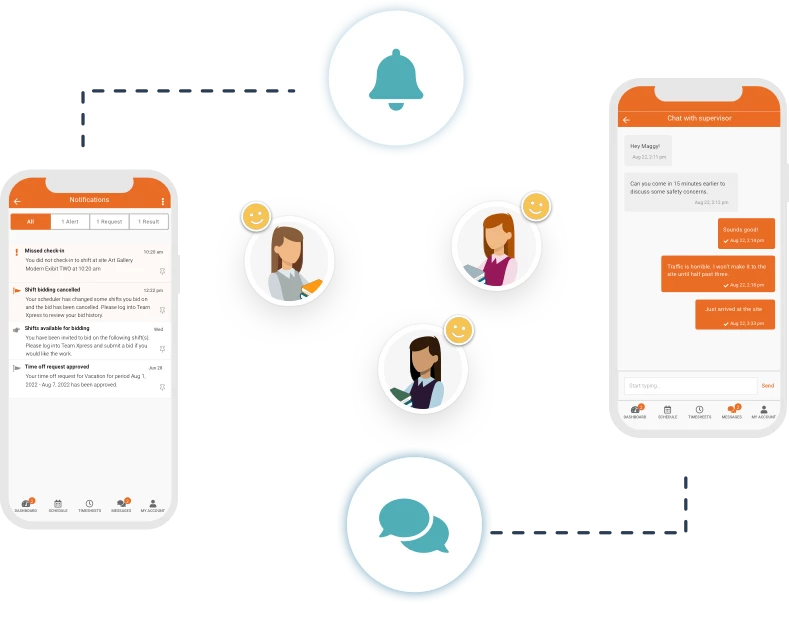
Establishing open communication channels ensures that changes are relayed quickly and accurately, reducing confusion and improving overall workforce management. Going back to the power of employee scheduling software, Celayix utilizes the employee mobile app to handle communication on top of everything else. This means that communication regarding shifts and schedules remains in one, secure place.
Celayix also sends out notifications when shifts are changed or released for self scheduling/shift bidding. This means there will be fewer no-shows and last minute shifts can be picked up swiftly.
Handle Fluctuating Demand with Ease
Fluctuating demand can pose significant challenges for businesses, but with strategic planning, flexibility, the right tools like employee scheduling software, cross-training, and effective communication, businesses can navigate these challenges successfully.
By leveraging these strategies and tools, businesses can not only survive periods of fluctuating demand but also seize them as opportunities for growth and improvement. Always remember, agility and adaptability are key to succeeding in today’s dynamic business environment.
Keep exploring, keep innovating, and remember that your workforce is your greatest asset. They are the engine that drives your business forward, so invest in them, value them, and manage them effectively for the best results. If you want to hear more about how Celayix can help with that, be sure to check out a free custom demo.