

There are lots of employee scheduling platforms out there similar to Celayix, so what sets us apart? Aside from our extensive feature list, we pride ourselves on our automated workforce operations that powers our scheduler. This tool has the power to totally transform your workforce management processes, while saving you time and money.
What is the Rules-Based Engine?
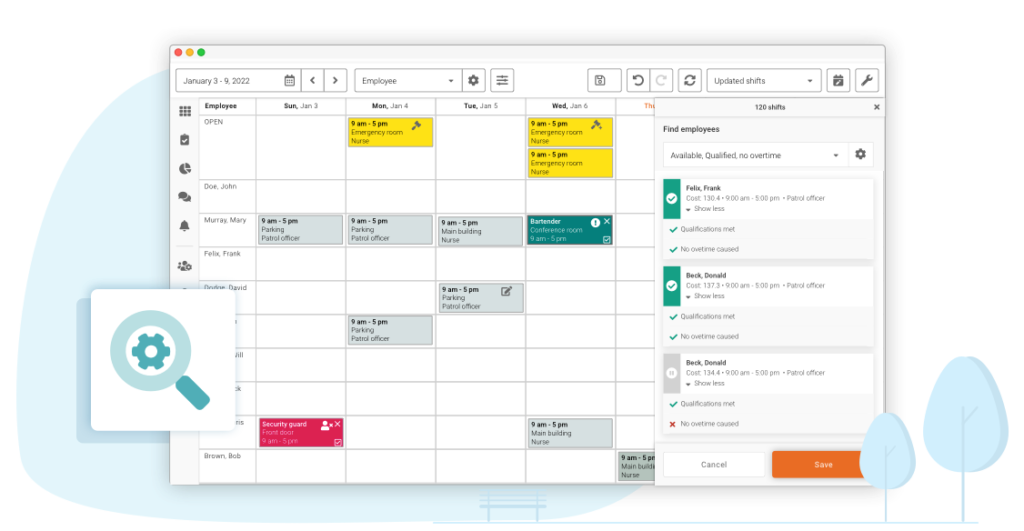
The beauty of the Celayix rules-based engine is how much control it gives the scheduler. It’s extremely powerful and user-friendly and can be configured to suit any number of business rules. Think of it as a special search filter that you can apply to your employees when scheduling them. With Celayix, the scheduler creates the rules. They also decide when the rules should be followed, relaxed, or ignored. Because of this, no matter what your organization, industry, or workforce size, Celayix can work for you.
Rules? What Type of Rules?
The idea behind the Celayix rules-based scheduling engine is to make life easy for the scheduler. To achieve this, we wanted the engine to be able to think how a scheduler should think. So what better way to achieve this, than allowing the scheduler to tell the engine what factors to consider when setting a schedule. Here are some examples;
Overtime Rules
Celayix overtime rules are by far the most common rules used by our customers. This is because it can save you some big bucks! With Celayix, you can create overtime rules based on the number of hours/days worked, and choose to disallow employees from going into overtime at all. You can also create rules to differentiate between midweek overtime and weekend overtime if that’s something you require. Celayix has saved customers up to $100,000 in unnecessary overtime, thanks to these powerful overtime rules!
Qualification Rules
Do you need to ensure that employees in certain shifts have certain skills, training, or qualifications? Think of armed guards vs. patrol officers, registered nurses vs. nursing assistants, first aid training, etc.? When manually creating schedules, these considerations add up pretty quickly and can become overwhelming for the scheduler. Again, this is where the rules-based engine steps in to save the day. Simply create rules that define the qualifications you need to be considered, and let the engine do its job. You can now create a schedule with fully qualified, available staff filling the shifts as required.
Availability Rules
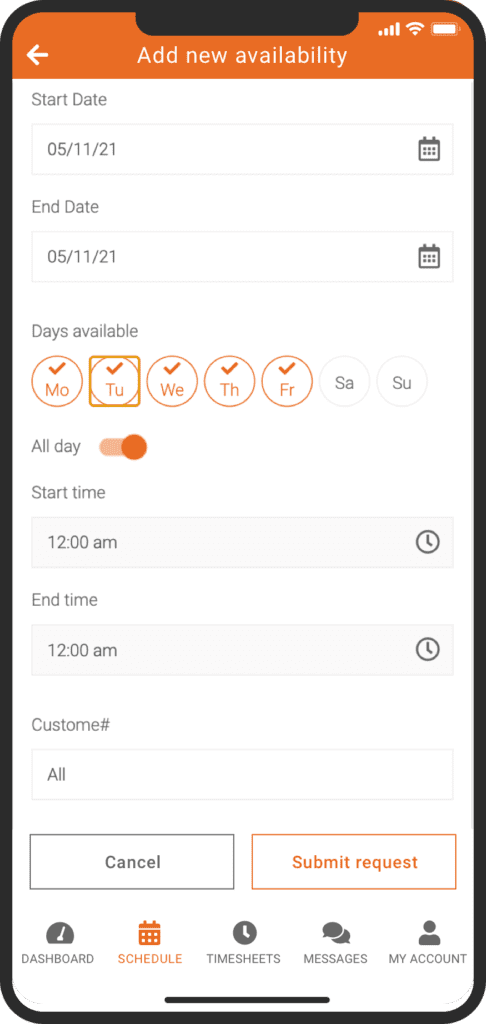
This one seems obvious, right? Of course, you only want staff assigned to shifts if they are available to work them. However, we all know that scheduling conflicts happen. Employees get double booked, scheduled to work during vacation, or scheduled in the wrong location. In order to avoid these conflicts, the rules-based engine assesses an employee’s availability before assigning them to a shift. You also have the option of allowing your employees to submit their availability before creating the schedule. By doing this, employers often see reduced late check-ins and no-shows.
Union Rules
Union rules are often a pet peeve for managers and schedulers. Here at Celayix, the most common union rule that we solve for customers, is dealing with seniority while scheduling. With our rules-based engine, you can decide the order in which employees are presented, meaning you can set it to sort by start date, or whatever criteria are required by the union rules. This saves huge amounts of time and effort during the scheduling process.
Legal Requirements
In certain industries like hospitality, certain types of shifts have age requirements. For example, in most states, employees must be over 18 to serve alcohol. Or in a lot of states, minors cannot work past 10/11 pm. Remembering all of these legal requirements can be a headache in itself, let alone ensuring they are followed in the schedule. So, let our rules-based engine step in and manage the workload for you. Simply create rules with age restrictions and apply them to the necessary shifts, it couldn’t be easier.
These are just some of the most popular rules we see our customers use. However, the Celayix system allows you to create unlimited rules based on how you need scheduling to work for your business. That’s the beauty of Celayix, it is totally flexible to suit any business in any industry. These rules that can be created feed into our other amazing features such as Autofill & Find Replacement, which work to make scheduling even easier for you. If you’d like to see some of these features in action, check out the video below.
Video: Celayix Rules-Based Engine for Employee Scheduling
If you’re looking to speed up your scheduling process, save money, and improve your schedule quality, Celayix is the tool for you. Get in touch with our team of Solution Advisors who would be happy to help get you started.