
In an ever-changing business landscape, adaptability is key. Open shifts are emerging as a modern and flexible solution for workforce management. These unassigned shifts are allowing employees to define their own work schedules while enabling organizations to optimize resources effectively. Here’s a detailed look into the concept of open shifts, the benefits they offer, and how to successfully implement them.
The Concept of Open Shifts

What are Open Shifts?
Open shifts are essentially unassigned shifts that employees can pick up based on their availability and preferences. Instead of having a rigid schedule, workers have the option to select shifts that align with their personal commitments and professional goals.
How They Work
These shifts provide flexibility for both employers and employees. They allow work schedules to be adapted according to ever-changing business needs and personal life constraints. This approach is particularly useful in industries where demand is unpredictable or fluctuates dramatically, such as retail, hospitality, and healthcare.
Benefits of Open Shifts
Flexibility
Open shifts offer employees the opportunity to work when it suits them best. Whether it’s to accommodate family needs, personal hobbies, or educational pursuits, they provide the leeway for employees to craft their own work-life balance. This won’t just improve your employee satisfaction ratings. According to a Digital Worker Experience Survey, 43% of respondents said that flexible working hours helped them achieve more productivity!

Efficiency
For employers, open shifts are more than just a flexible schedule. They can help ensure that staffing levels match demand, reducing the risk of over or understaffing. This alignment of resources can lead to increased productivity and a significant reduction in labor costs.
Empowerment
Empowering employees to take control of their schedules promotes a sense of autonomy and personal investment in their roles. This can foster an engaging work environment, boosting morale and leading to higher levels of satisfaction and commitment.
Implementation
Successful implementation of open shifts requires careful planning and execution.
Clear Communication
Understanding how open shifts work is vital for all involved. Clear and concise communication about the process for selecting shifts, rules, and guidelines must be a priority to avoid confusion or missed shifts.

Fairness
To make sure everyone has the same chance to benefit from these shifts, a fair system for assigning shifts is necessary. Whether it’s a first-come, first-served basis, or based on factors such as seniority or performance, fairness must be at the core of the approach. As you will see below, there are tools that can help with this process.
Technology
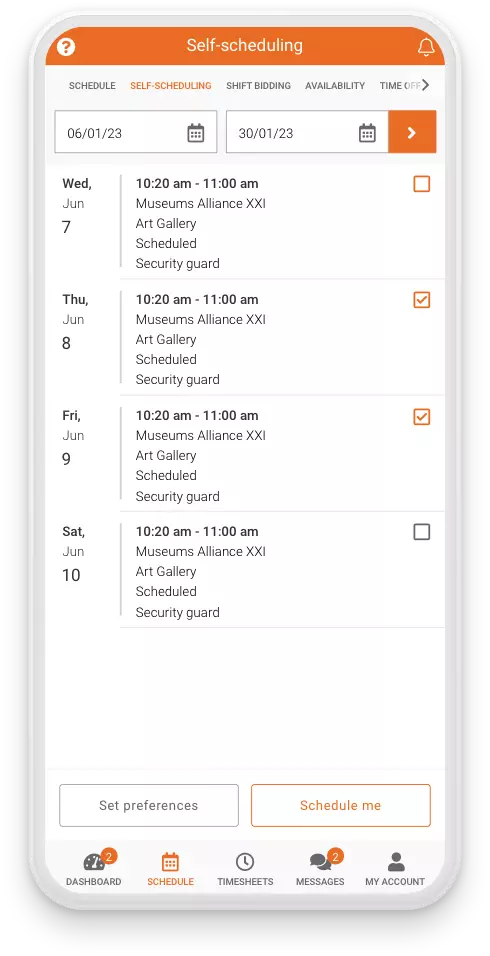
Investing in employee scheduling software designed to facilitate open shifts can streamline the entire process. Celayix can provide everything you need to offer and manage them with ease. It provides visibility of available shifts, ensures fairness in allocation, and can even assist in predicting demand and scheduling accordingly.
The main way that our customers make use of open shifts is with shift bidding, or self-scheduling. Our autofill feature will also fill these shifts in a matter of seconds with most suitable, available employee if no one claims it in time.
Feedback
Establishing channels for regular feedback from employees will keep the pulse on the effectiveness of the open shift system. Listening and adapting to employee feedback ensures that the system continues to serve both organizational goals and employee needs effectively.
We are redefining the way businesses approach workforce management, offering a flexible, efficient, and empowering solution. By using Celayix, organizations can make employees happier and more engaged while also improving business results.
Open shifts help employees balance their personal and professional lives. They do this by providing flexibility, which is increasingly important in today’s world. Your schedule should adapt to the growing need for flexibility. This will allow employees to seamlessly integrate their personal and professional responsibilities, leading to improved employee engagement and overall satisfaction. If you want to learn more about our software and how it can help you offer flexibility to your employees, get in touch today to see a custom, live demo.