
In the highly competitive world of call centers, effective employee scheduling is crucial for maintaining a successful operation. With fluctuating workloads, a diverse workforce, and the need for efficient resource allocation, finding the right scheduling software is essential. In this blog post, we break down the main challenges facing call centres, and why call center scheduling software is a great investment.
The Challenge of Call Center Scheduling
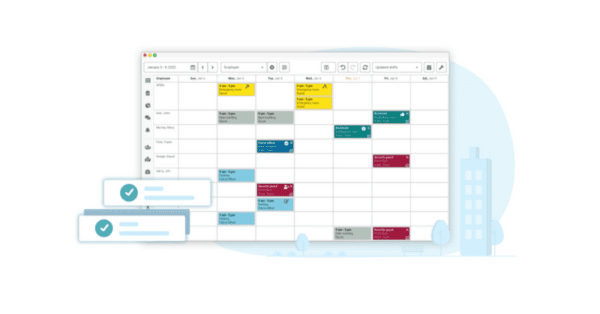
Workforce management is a complex topic, and employee scheduling is a big part of that. Call centers face a myriad of employee scheduling challenges, including:
Shift Work
The nature of call centers requires continuous operation, often 24/7. This necessitates the use of shift work, which can be difficult to manage without the right tools. Some schedulers opt to use rotating schedules, while others might consider a 4/10 work schedule. Either way, managing these schedules manually can be time consuming.
Flexible Schedules
Call centers often employ a mix of full-time, part-time, and temporary workers. Accommodating their various availability and preferences can be a time-consuming task. When schedulers are juggling these varying it can lead to scheduling errors or conflicts. With that comes missed shifts, which can be detrimental to call center operations.
Maintaining Optimal Staffing Levels
Balancing the need to have enough agents to handle fluctuating call volumes with the desire to minimize labor costs is crucial. Over-staffing can lead to increased costs, while under-staffing can result in poor customer service and overwhelmed employees.
Compliance with Labor Laws

Ensuring compliance with labor laws and regulations, such as break times, overtime, and minimum hours, can be difficult without proper scheduling tools. Over 700,000 call center workers are members of a union – Call Center Workers United. These unions ensure call center workers have good working conditions, which includes fair scheduling.
Turnover and Absenteeism
Research shows that call center absenteeism on a normal day has an average of 6%. High employee turnover and absenteeism rates can negatively impact call center performance. Effective scheduling plays a role in employee satisfaction, which can influence turnover and absenteeism rates.
Celayix Employee Scheduling Software – A Comprehensive Solution
Celayix offers a comprehensive solution for call center scheduling, with features such as:
Automated Employee Scheduling
Celayix uses artificial intelligence and our rules based scheduling engine to create efficient and optimized schedules. It takes into account factors such as employee skills, preferences, and availability, ensuring that shifts are assigned effectively and fairly.
Time & Attendance Tracking
Celayix’s time and attendance tracking feature allows managers to monitor employee hours and breaks, ensuring compliance with labor laws and reducing the risk of costly overtime.
Communication & Collaboration Tools
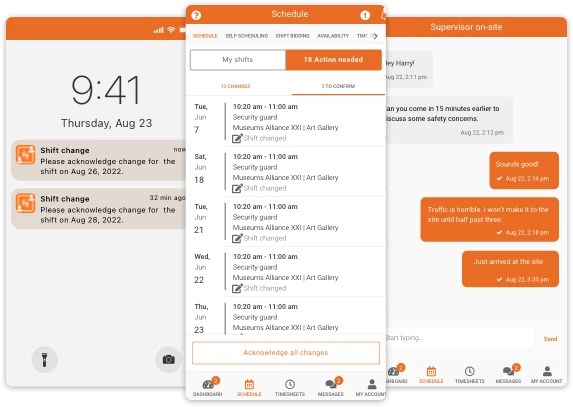
With built-in communication tools, Celayix fosters collaboration between employees and managers. Employees can submit time-off requests, swap shifts, and receive schedule updates, while managers can approve or deny requests and send notifications with ease. Our mobile app allows managers to send notifications about schedule changes directly to employees. This results in fewer missed shifts due to shift changes.
Flexible Scheduling Tools
Celayix offers tools such as employee availability, self scheduling and shift bidding. These tools allow you to offer flexible schedules to your call center workers. Employees can input the days they are available to work using a mobile app! Managers can then use this information to build out a schedule that suits all of their employee needs. If you choose to use self scheduling or shift bidding, you are giving employees more autonomy of their schedule which has countless benefits! Speaking of benefits, lets see why your call center absolutely needs scheduling software.
The Benefits of Call Center Scheduling Software
Investing in employee scheduling software (like Celayix) can have a significant impact on call center operations:
Improved Employee Retention
A survey by The Quality Assurance & Training Connection (QATC) revealed that the average annual turnover rate for call centers is 30-45%. By offering flexible scheduling options and a user-friendly platform, Celayix can help improve employee satisfaction and retention.
Reduced Turnover

According to the International Customer Management Institute (ICMI), high employee turnover can cost organizations up to 60% of an employee’s annual salary. Efficient scheduling with Celayix reduces the risk of burnout and dissatisfaction, leading to lower turnover rates.
Minimised Absenteeism
Unscheduled absenteeism costs U.S. employers approximately $3,600 per hourly worker per year. Celayix’s advanced scheduling features can help minimize absenteeism by accommodating employee preferences and ensuring adequate staffing levels.
Celayix employee scheduling software offers a comprehensive solution for the unique challenges faced by call centers. By automating and optimizing scheduling processes, Celayix can improve employee retention, reduce turnover, and minimize absenteeism. If you’re looking for a top call center scheduling software solution, Celayix should be at the top of your list. If you’d like to learn more about how we can help your business thrive, see a custom demo here!