

Celayix Home » The Growth of the Workforce Management Market

The Growth of the Workforce Management Market

Workforce management solutions have been highly sought after in recent years due to the complexity of modern day staffing. Lets take a look at the growth of the WFM market and how exactly software has been impacting the industry.

As technology continues to reshape the way we work, the workforce management software market has emerged as a critical solution to address the complex challenges faced by businesses in managing their workforce. This infographic aims to explore the notable growth trends and factors driving the increasing demand for workforce management software across industries.
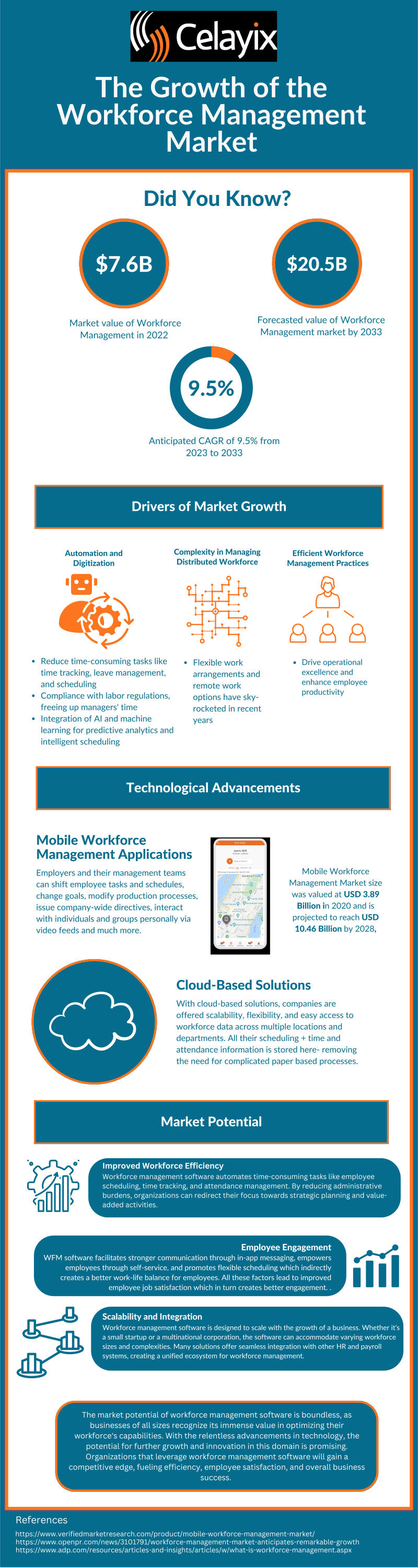
Growth in the Workforce Management Market

You don’t have to be an expert to acknowledge the considerable rise in demand for workforce management software that will occur in years to come. With WFM mobile apps and cloud-based solutions, like Celayix, driving efficiency and improved productivity for organizations across all industries, who knows where we’ll be by 2050!

If you’d like to hear more about our artificial intelligence, feel free to contact a solutions advisor here!

ROI Celayix Call to Action
Written by Conor Bourke

Written by Conor Bourke

Conor is a Digital Marketing Coordinator at Celayix that focuses on PPC, social media and website management.

You may also like…

Employee Scheduling Metrics: 7 KPIs Every Workforce Manager Should Track

Employee Scheduling Metrics: 7 KPIs Every Workforce Manager Should Track

Monitor a combination of operational, financial, and employee-focused KPIs for a complete picture of workforce performance. Together, these metrics help managers identify trends, improve scheduling decisions, and continuously optimize operations.
Staff Scheduling: A Critical Foundation for Organizational Performance

Staff Scheduling: A Critical Foundation for Organizational Performance

For shift-based organizations, every schedule affects labor cost, coverage, compliance, employee experience, and customer satisfaction. When scheduling is done manually, managers spend too much time reacting to problems. When scheduling is automated and integrated with time, attendance, payroll, and analytics, organizations gain greater control over their operations
How to Handle Employee No-Call, No-Shows: Best Practices for Managers

How to Handle Employee No-Call, No-Shows: Best Practices for Managers

What constitutes a no-call, no-show, why it happens, how to respond, and what organizations can do to prevent it in the future.
No results found.